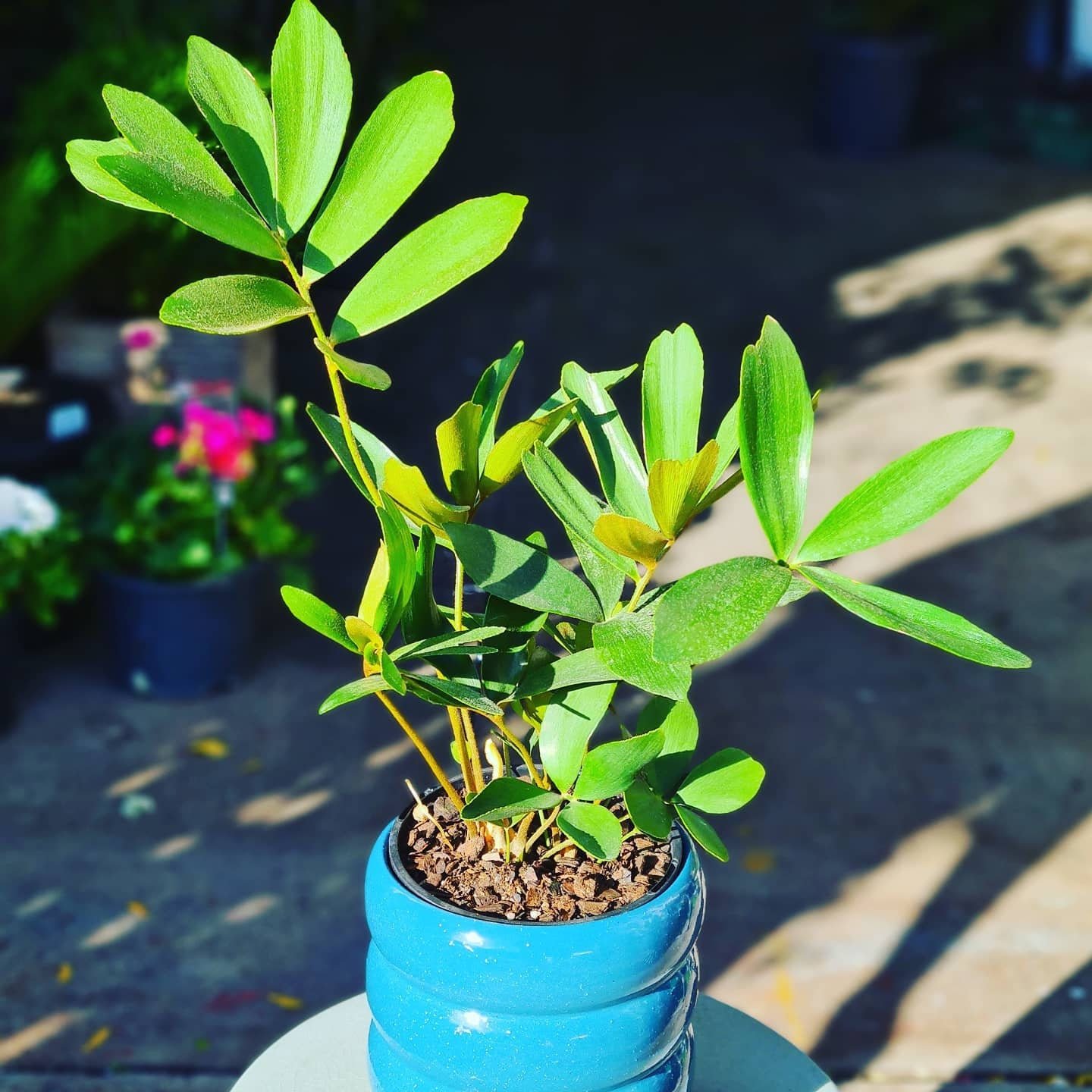
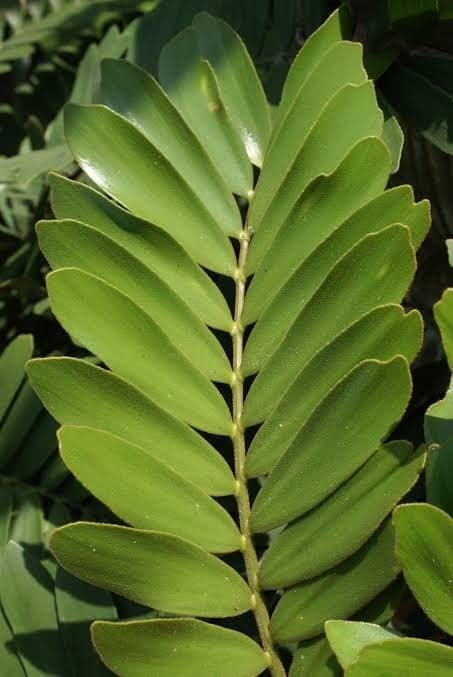
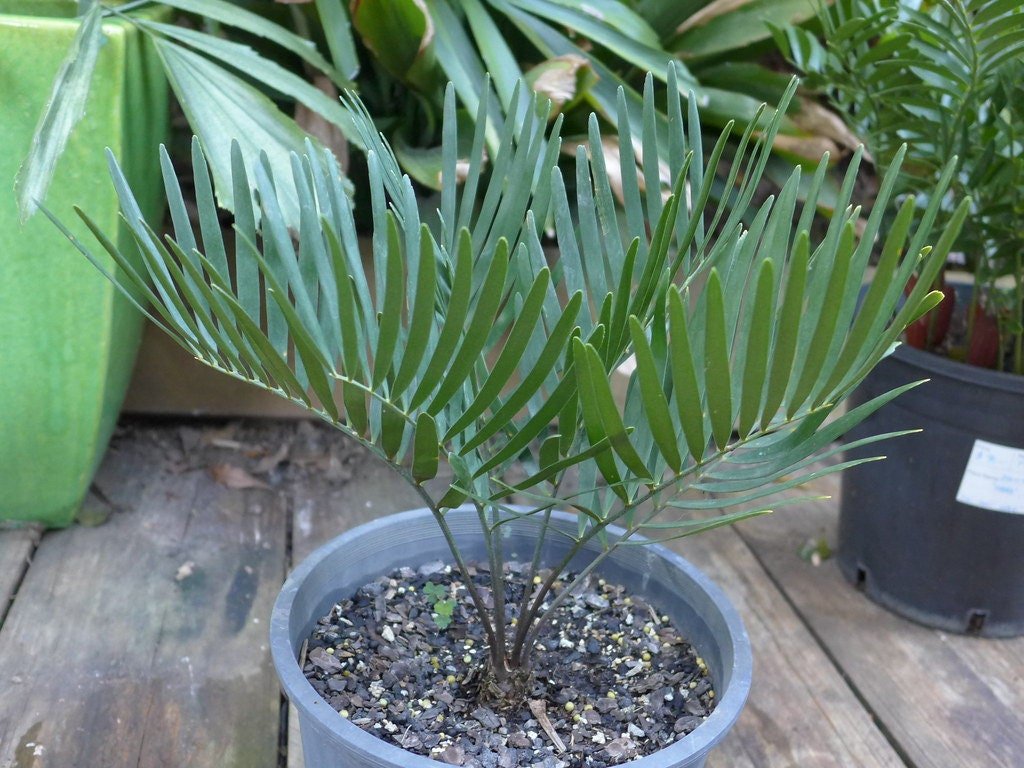
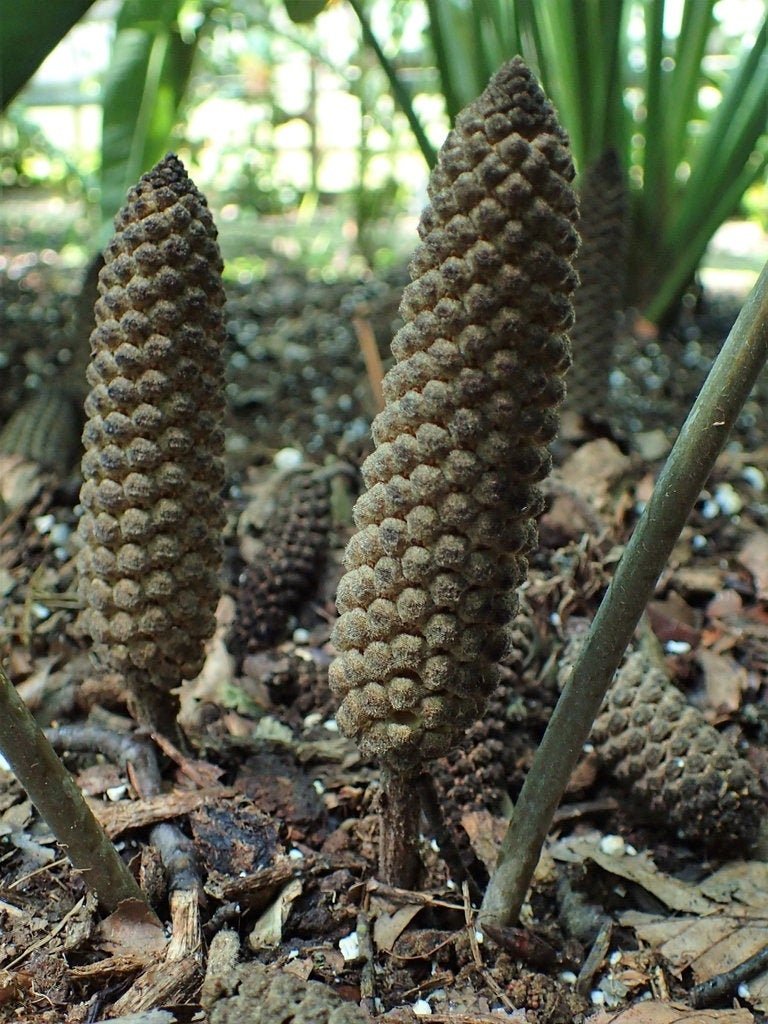
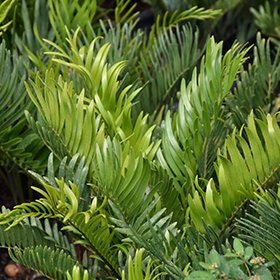
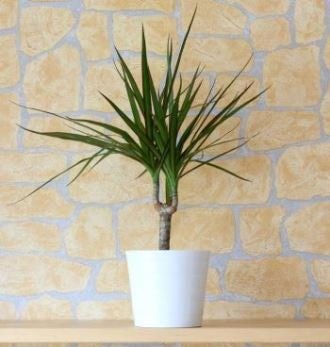
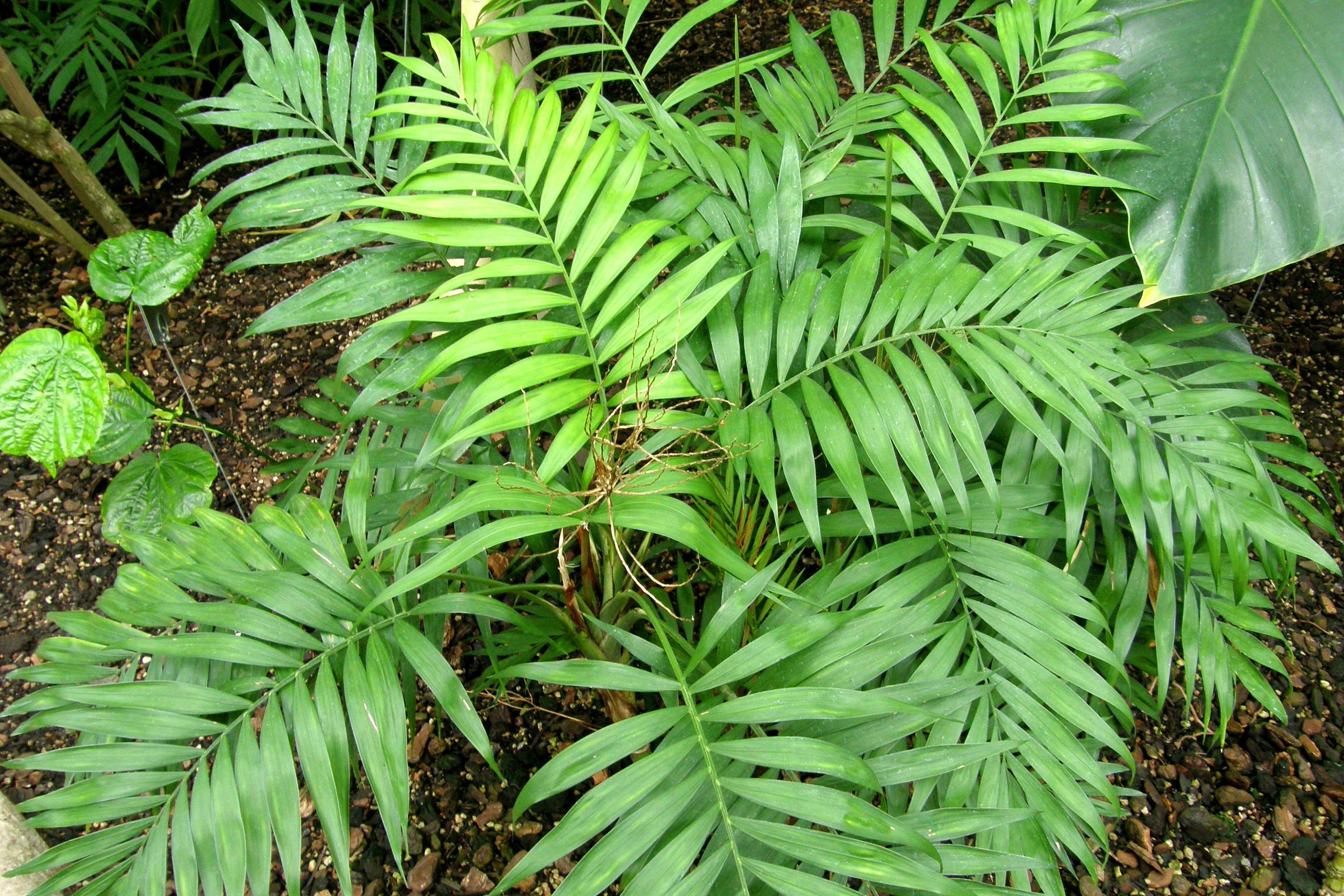
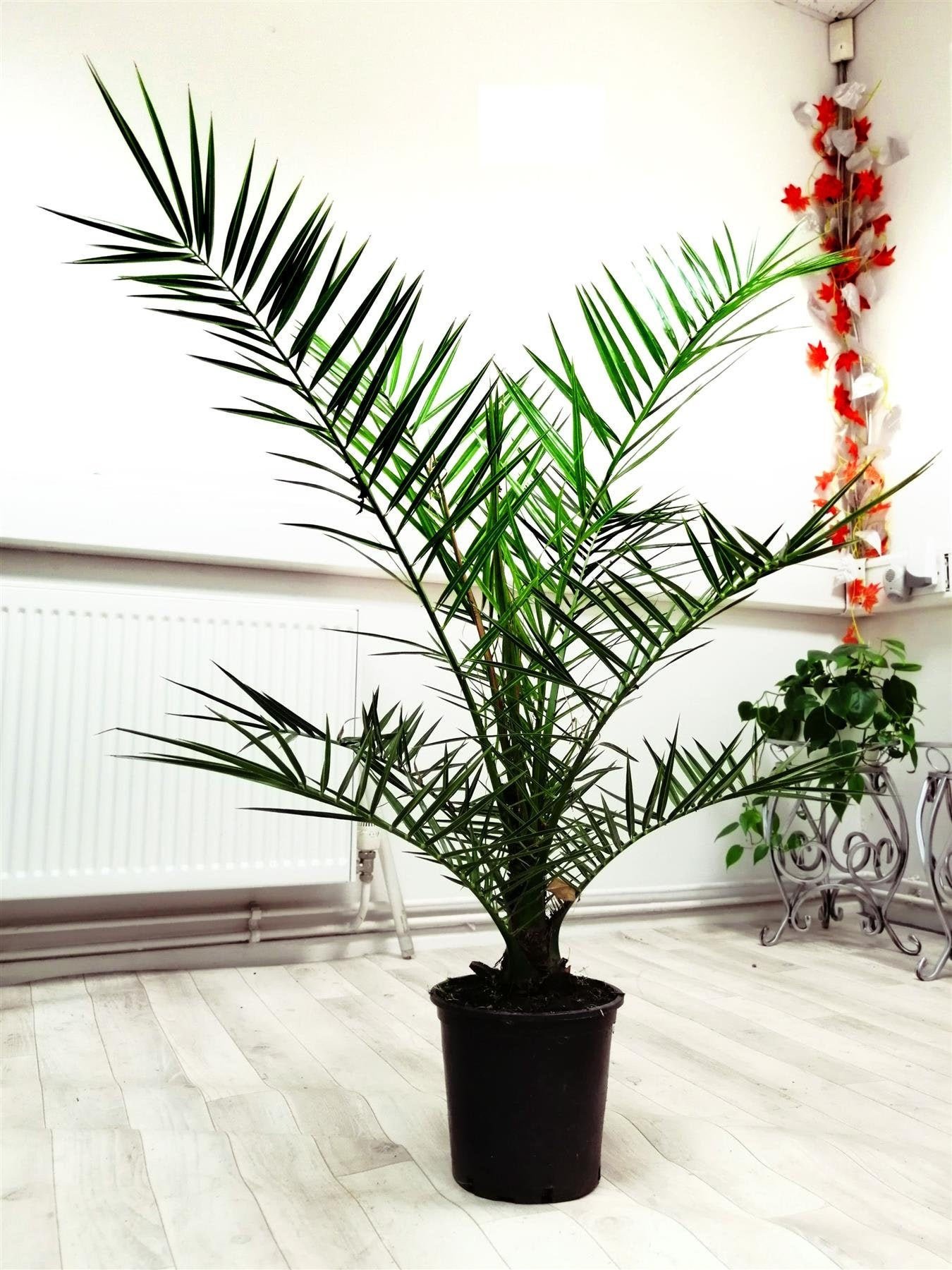
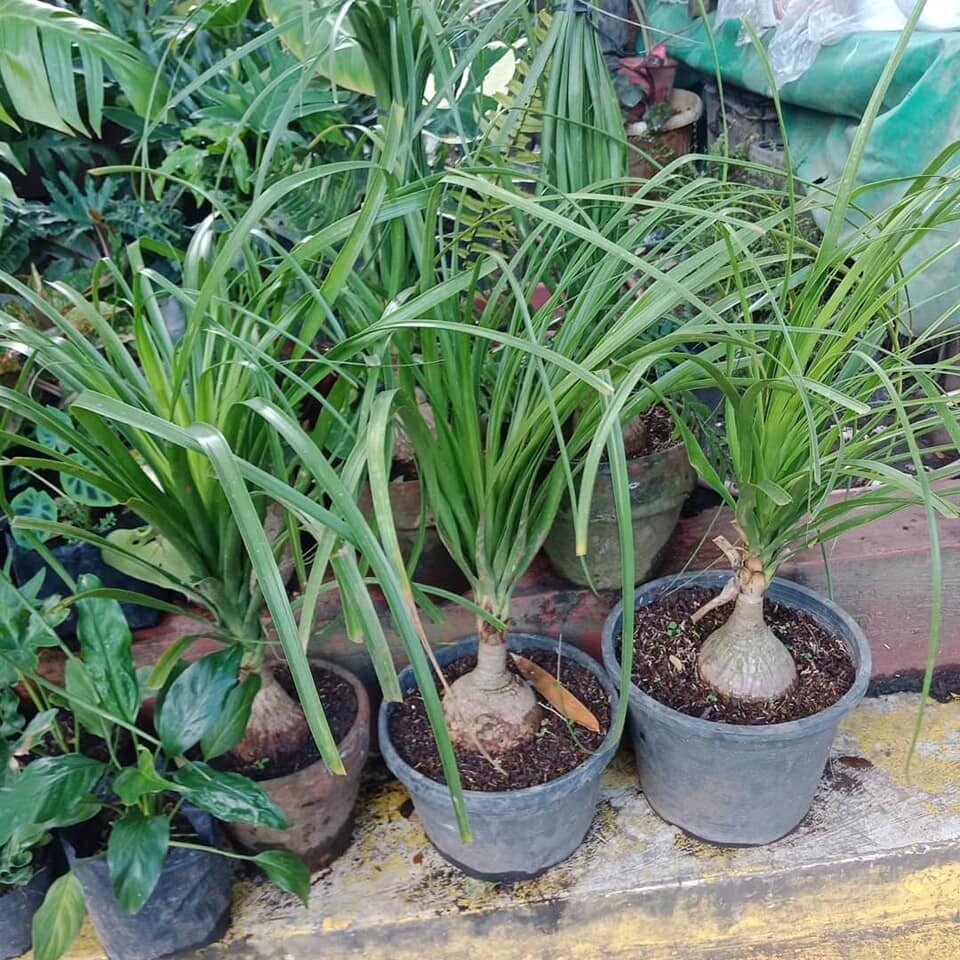
Zamia thrives in moderate to bright light. It has a slow growth habit and does well in good potting soil as long as the container has excellent drainage Water deeply weekly in summer but reduce moisture in winter and fall by half. The thick underground trunk needs to be filled with stored water but over anxious growers may tend to over water it and cause stem or crown rot. Once the crown is overtaken by fungal spores, it is nearly impossible to save
$8.50
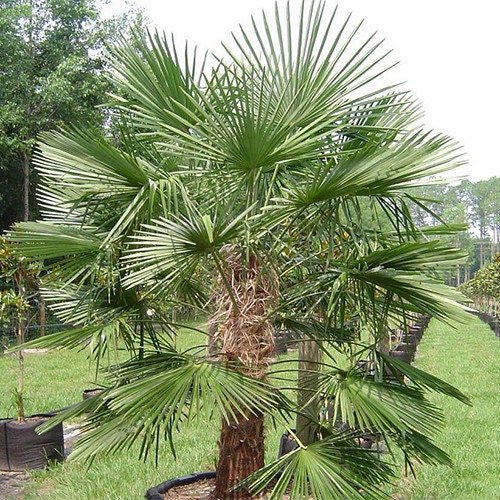
Trachycarpus fortunei 'windmill palm' seeds
You will receive 10 seeds.
Soak in water, let stand in water for 24 hours. Stratification: none required. Germination: sow seed 1/4" deep, tamp the soil, mulch the seed bed. 1/2 perlite with miracle grow (or high drainage soil) Other: Seed needs warm temperatures after sowing to germinate (75 degrees F +). Germination tends to be slow, Germinates faster in warmer temperatures. Avoid overwatering. Palm trees are a popular choice for gardens and landscapes due to their tropical appearance and ability to thrive in warm climates. Here are some general instructions for growing palm trees from seeds:
Choose a planting location that receives full sun and has well-draining soil. Palm trees prefer a soil that is rich in organic matter and slightly acidic, with a pH between 6.5 and 7.5.
Prepare the soil by loosening it with a garden fork and mixing in some compost or well-rotted manure. This will help the soil drain well and provide the nutrients the palm tree seeds need to germinate.
Soak the palm tree seeds in water for 24 hours to soften the seed coat and encourage germination.
Fill a planting container with a well-draining seed starting mix and moisten the soil evenly.
Sow the soaked palm tree seeds on the surface of the soil, spacing them about 1 inch apart. Cover the seeds with a thin layer of soil, about 1/4 inch deep.
Place the planting container in a warm location that receives indirect sunlight. The soil temperature should be kept between 75 and 90 degrees Fahrenheit to encourage germination.
Water the palm tree seeds regularly, providing enough moisture to keep the soil consistently moist but not waterlogged.
Once the palm tree seedlings are large enough to handle, transplant them into individual pots or into the garden. Choose a location that receives full sun and has well-draining soil.
Water the palm tree seedlings regularly, providing enough moisture to keep the soil consistently moist but not waterlogged. Fertilize the seedlings once a month during the growing season with a balanced fertilizer, following the manufacturer's instructions for the appropriate amount to use.
I hope these instructions are helpful! Let me know if you have any questions or need further guidance.
$5.65
Coontie palm 'Zamia integrifolia' seeds
You will receive 10 Coontie palm seeds.
Zamia thrives in moderate to bright light. It has a slow growth habit and does well in good potting soil as long as the container has excellent drainage Water deeply weekly in summer but reduce moisture in winter and fall by half. The thick underground trunk needs to be filled with stored water but over anxious growers may tend to over water it and cause stem or crown rot. Once the crown is overtaken by fungal spores, it is nearly impossible to save
$8.50
Butia capitata 'jelly palm' seeds
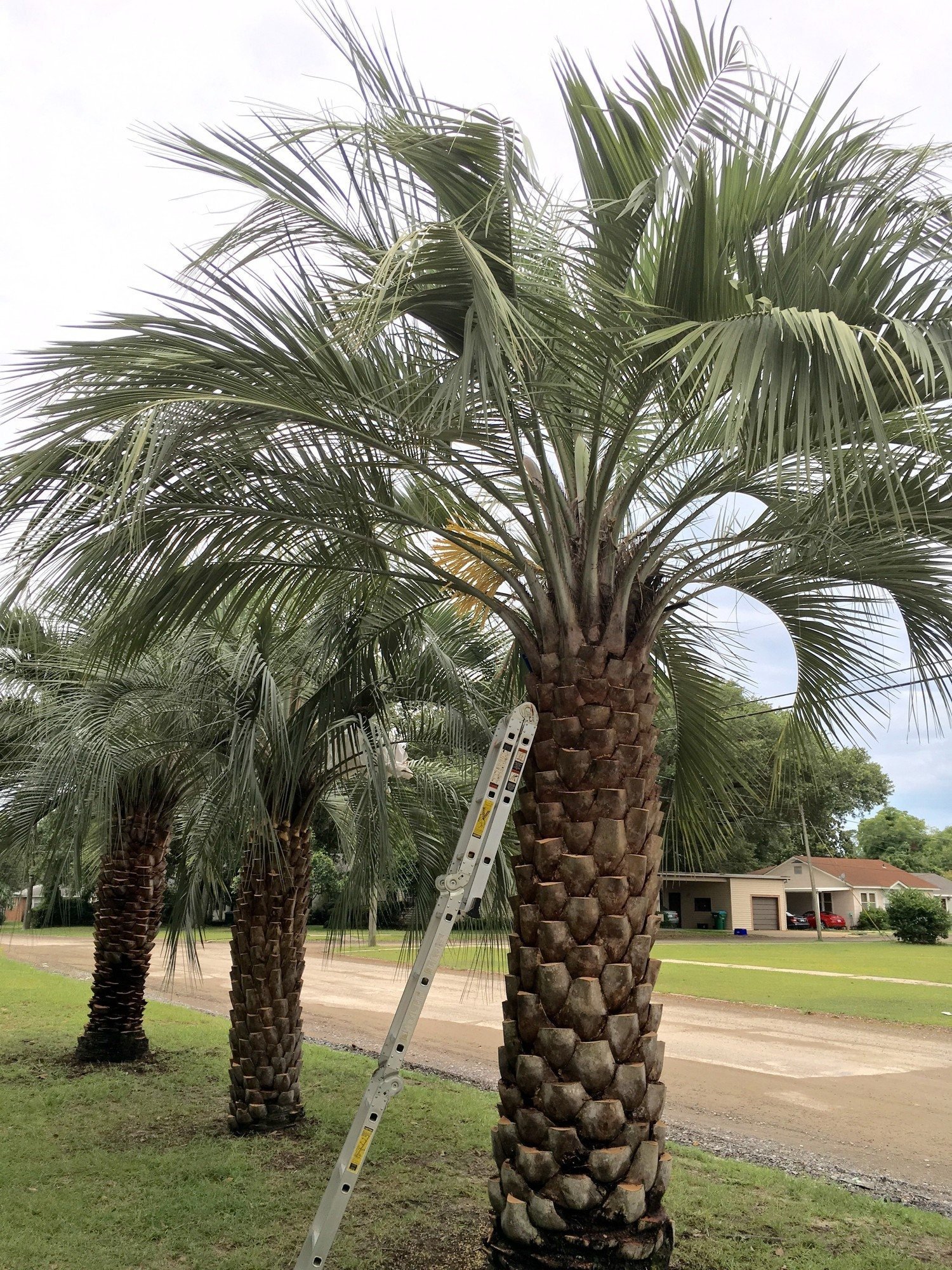
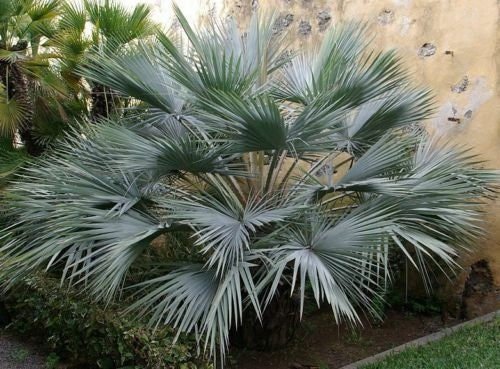
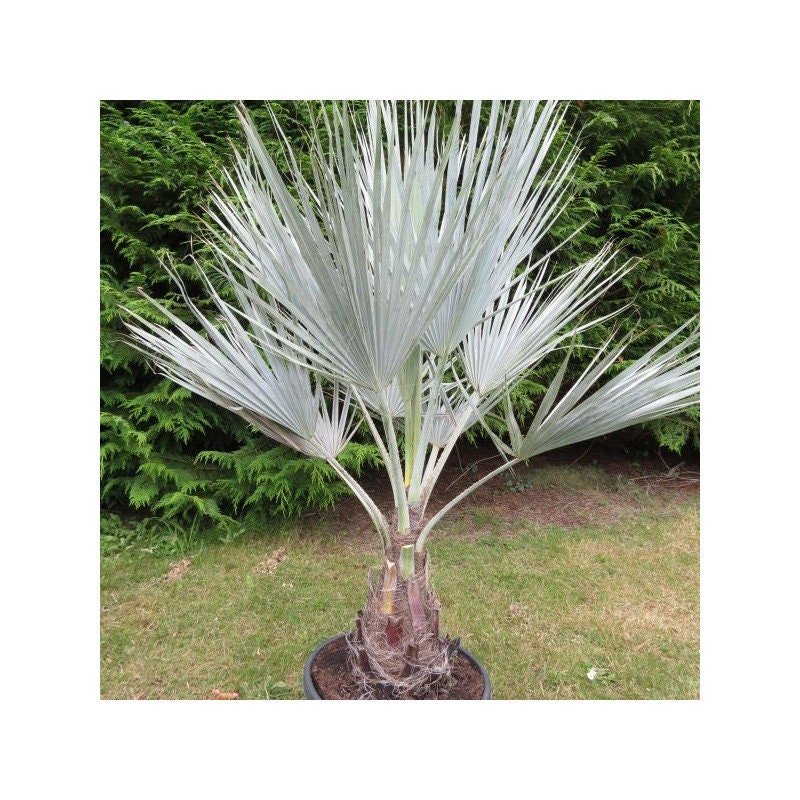
Do not allow this plant to sit in water; like most plants, it doesn’t like its roots to be constantly wet. This plant is particular because not only can it get root rot, but it can also get trunk rot, so you have to be very careful with overwatering. Leave the palm to dry out until at least the first three inches of soil are dry. Once it’s dried out, deeply water the soil around the trunk.
As long as the soil is well-draining, the jelly palm will happily grow in it. They do prefer a neutral pH level, but will still grow in soil that leans more one way or the other.
Luckily these trees are tolerant and thrive in various types of light, from partial shade to full sun.
This hardy palm can survive temperatures as low as 5 degrees.
$11.99
King palm 'Archontophoenix alexandrae' seeds
You will receive 10 seeds.
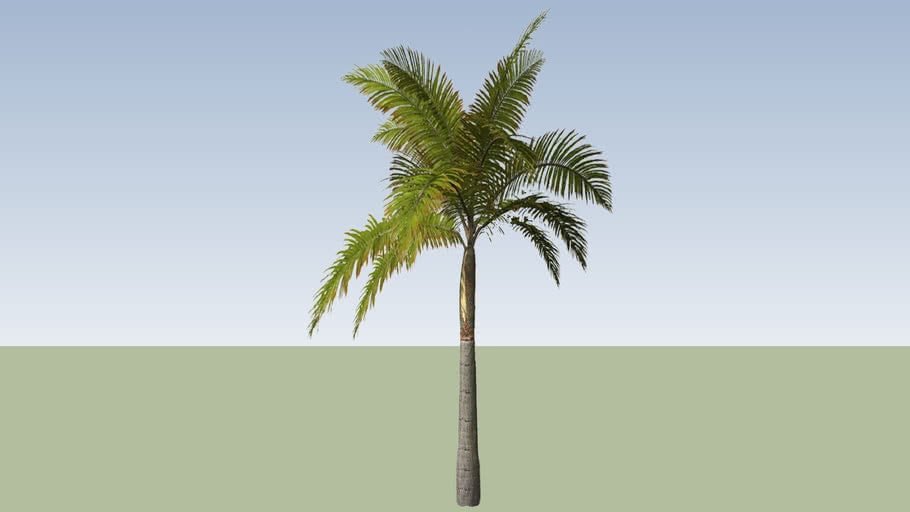
Archontophoenix alexandrae is a palm native to Queensland and New South Wales, Australia, and naturalised in Hawaii and parts of Florida. Soaking prior to sewing gives the seed a jump start and helps revitalize older seeds. With short-lived embryo viability time-windows, such rehydration may be the difference between success and failure. An easy technique of placing seeds with some slightly damp sphagnum moss (or other medium such as perlite) into a transparent plastic baggie and putting the baggie in a warm environment, such as near a water heater. Palm trees are a popular choice for gardens and landscapes due to their tropical appearance and ability to thrive in warm climates. Here are some general instructions for growing palm trees from seeds:
Choose a planting location that receives full sun and has well-draining soil. Palm trees prefer a soil that is rich in organic matter and slightly acidic, with a pH between 6.5 and 7.5.
Prepare the soil by loosening it with a garden fork and mixing in some compost or well-rotted manure. This will help the soil drain well and provide the nutrients the palm tree seeds need to germinate.
Soak the palm tree seeds in water for 24 hours to soften the seed coat and encourage germination.
Fill a planting container with a well-draining seed starting mix and moisten the soil evenly.
Sow the soaked palm tree seeds on the surface of the soil, spacing them about 1 inch apart. Cover the seeds with a thin layer of soil, about 1/4 inch deep.
Place the planting container in a warm location that receives indirect sunlight. The soil temperature should be kept between 75 and 90 degrees Fahrenheit to encourage germination.
Water the palm tree seeds regularly, providing enough moisture to keep the soil consistently moist but not waterlogged.
Once the palm tree seedlings are large enough to handle, transplant them into individual pots or into the garden. Choose a location that receives full sun and has well-draining soil.
Water the palm tree seedlings regularly, providing enough moisture to keep the soil consistently moist but not waterlogged. Fertilize the seedlings once a month during the growing season with a balanced fertilizer, following the manufacturer's instructions for the appropriate amount to use.
I hope these instructions are helpful! Let me know if you have any questions or need further guidance.
$5.75
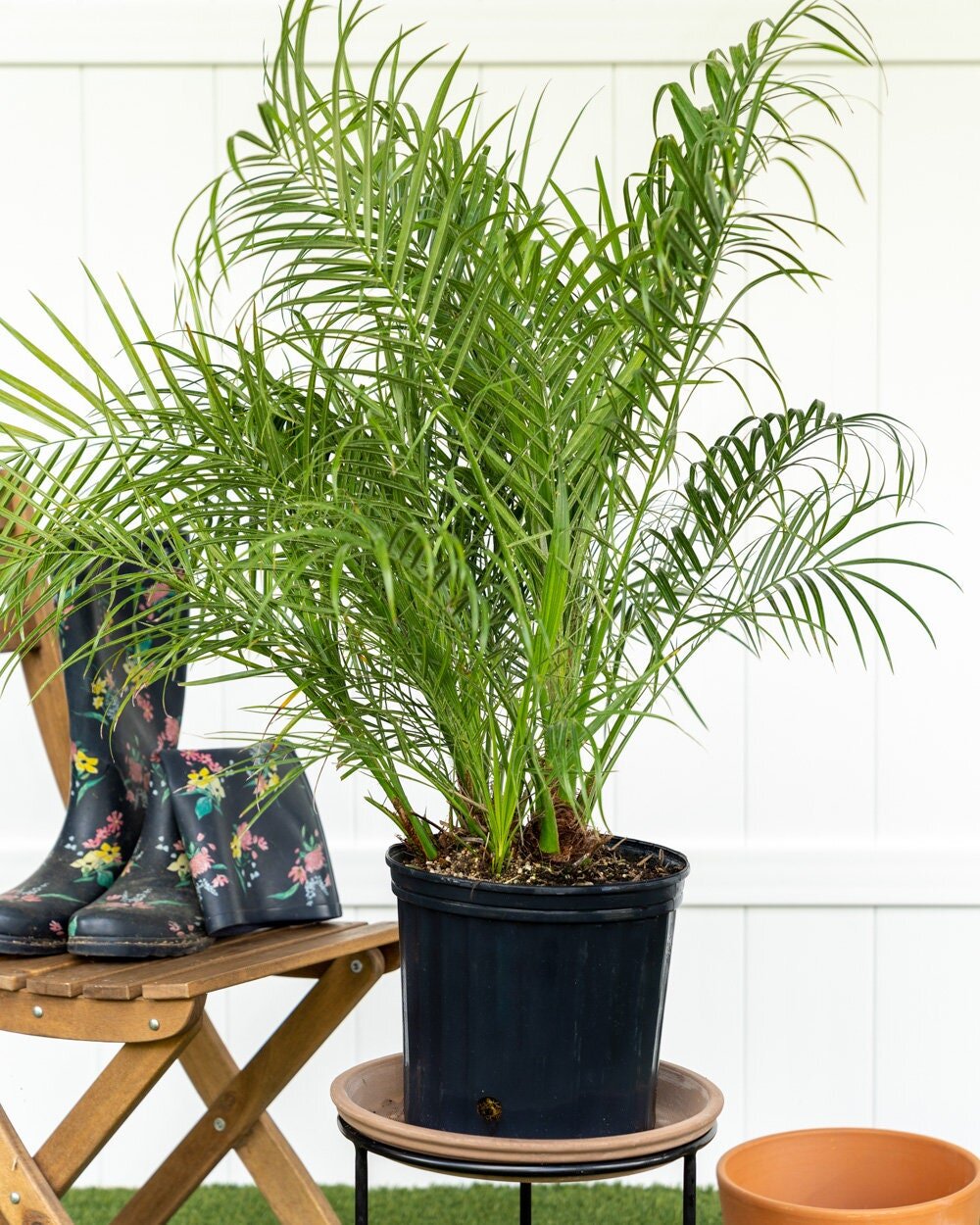
Pygmy date palm 'Phoenix roebelenii' seeds
You will receive 20 seeds.
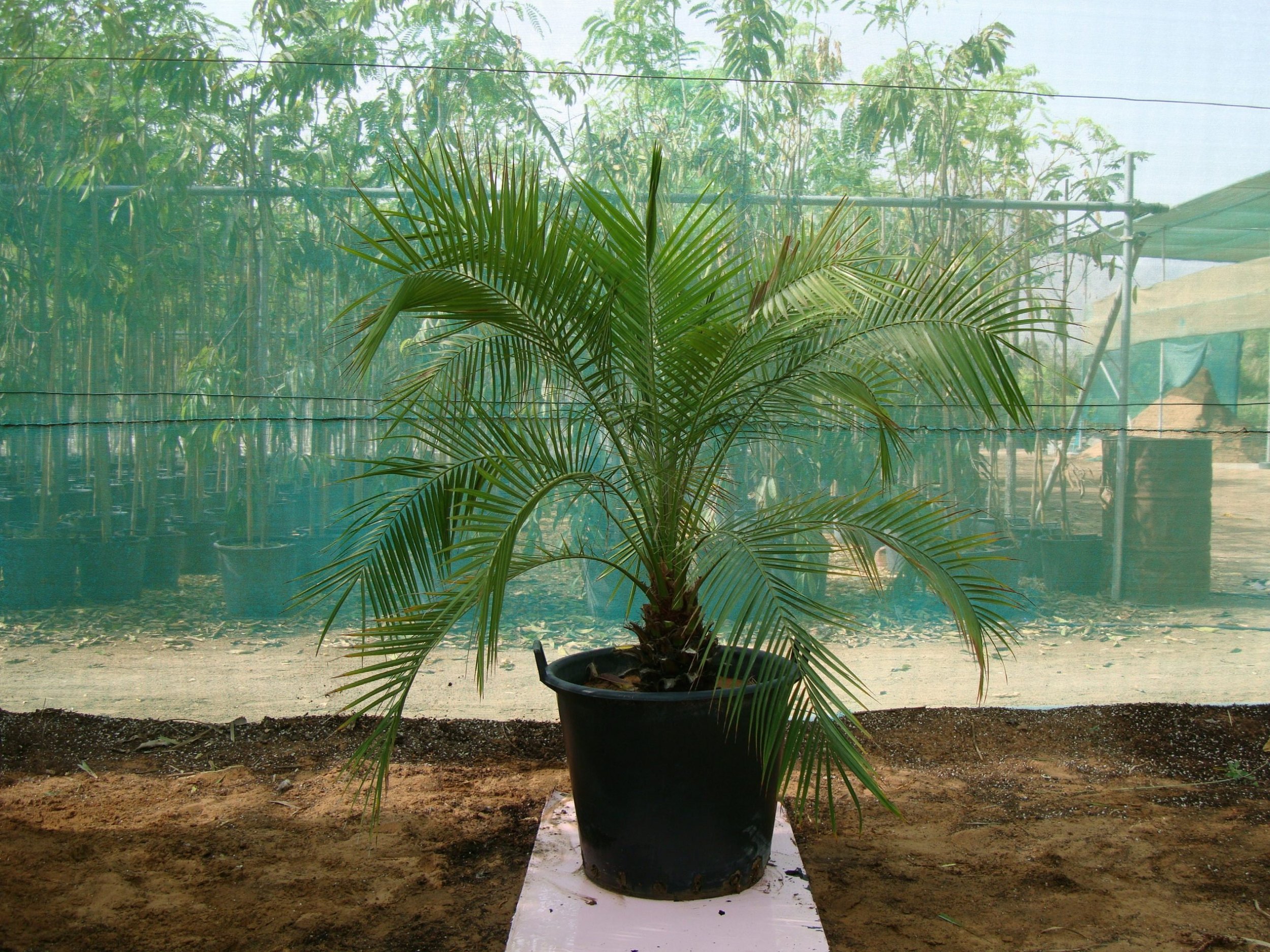
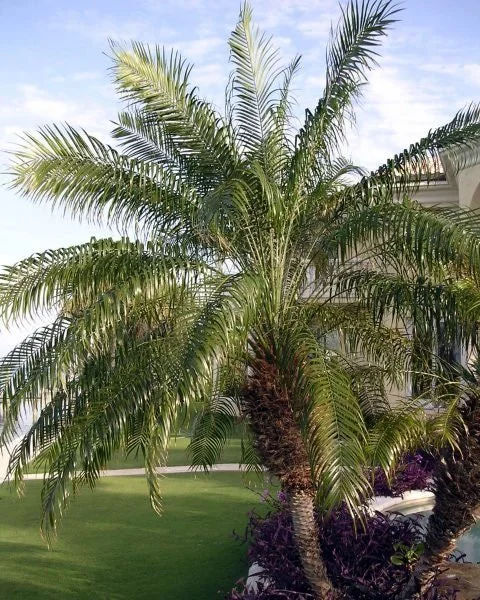
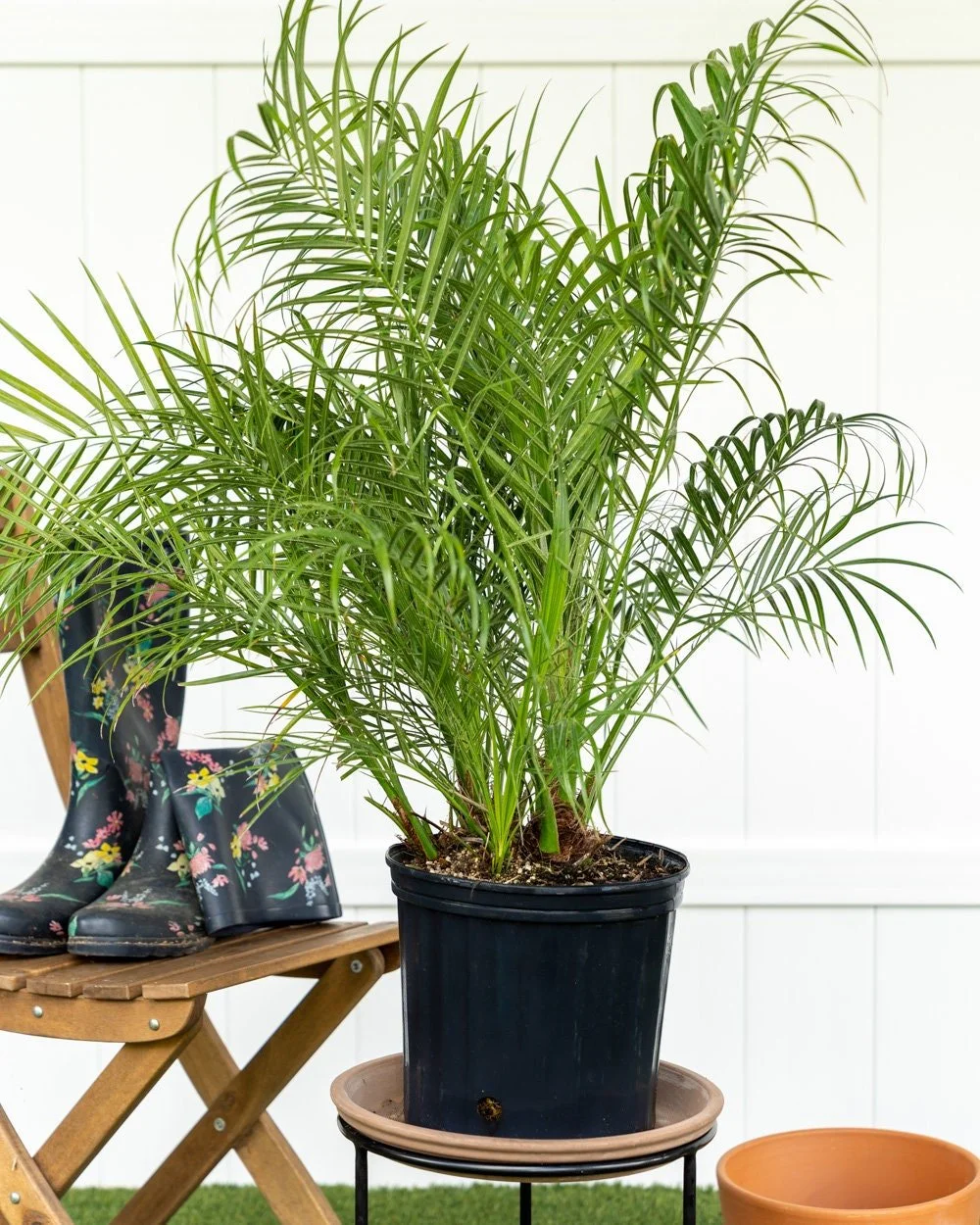
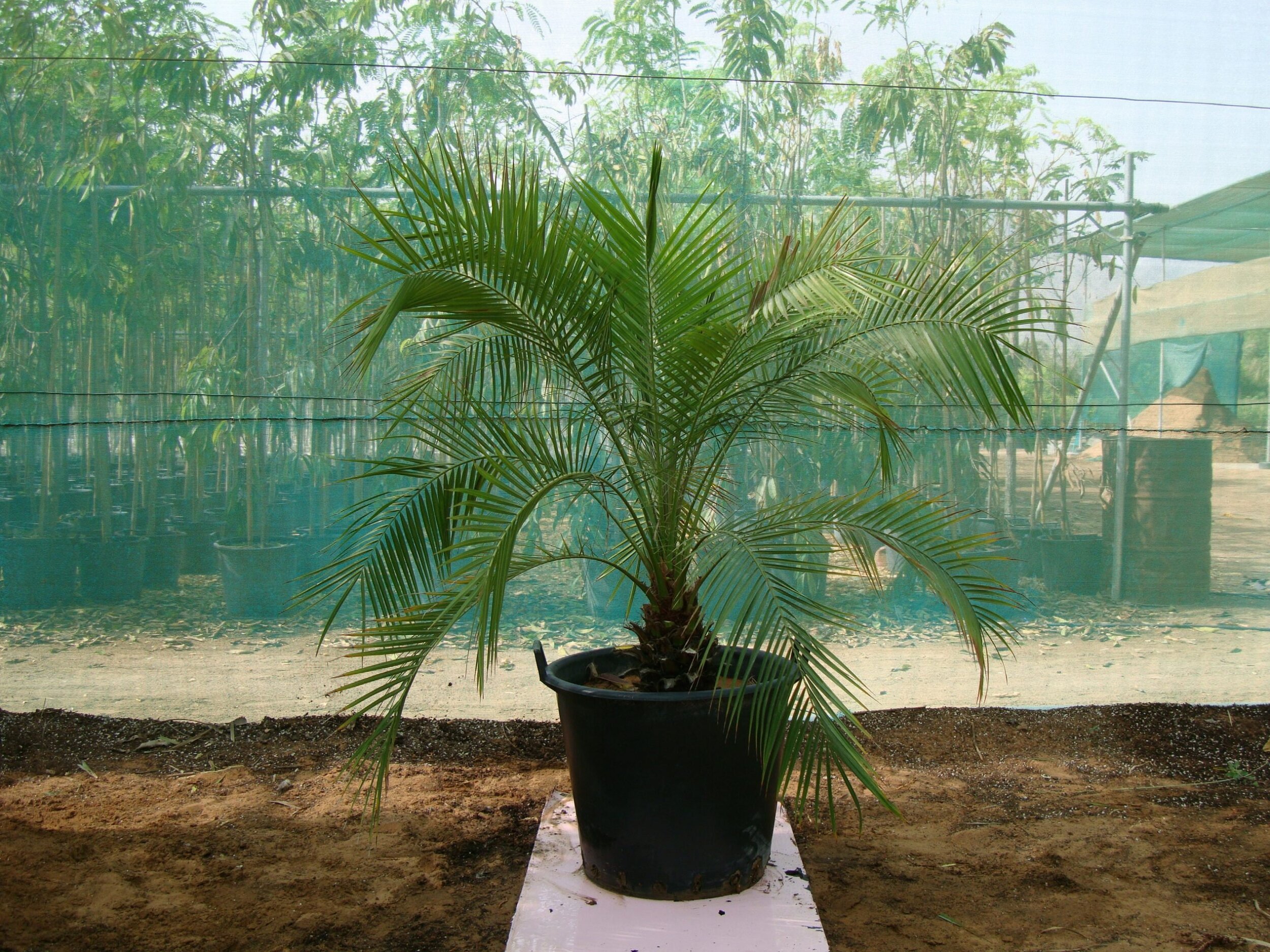
Phoenix roebelenii is a species of flowering plant in the palm family Arecaceae, native to the Canary Islands Bag method is a good way to start these plants. Light: Bright, indirect light to partial shade. Some morning or evening sun would be an advantage. Water: Water when the soil is starting to become slightly dry at the top. Palms don't like sitting in wet soil so do not over-water, however keep moist particularly during the summer.
Palm trees are a popular choice for gardens and landscapes due to their tropical appearance and ability to thrive in warm climates. Here are some general instructions for growing palm trees from seeds:
Choose a planting location that receives full sun and has well-draining soil. Palm trees prefer a soil that is rich in organic matter and slightly acidic, with a pH between 6.5 and 7.5.
Prepare the soil by loosening it with a garden fork and mixing in some compost or well-rotted manure. This will help the soil drain well and provide the nutrients the palm tree seeds need to germinate.
Soak the palm tree seeds in water for 24 hours to soften the seed coat and encourage germination.
Fill a planting container with a well-draining seed starting mix and moisten the soil evenly.
Sow the soaked palm tree seeds on the surface of the soil, spacing them about 1 inch apart. Cover the seeds with a thin layer of soil, about 1/4 inch deep.
Place the planting container in a warm location that receives indirect sunlight. The soil temperature should be kept between 75 and 90 degrees Fahrenheit to encourage germination.
Water the palm tree seeds regularly, providing enough moisture to keep the soil consistently moist but not waterlogged.
Once the palm tree seedlings are large enough to handle, transplant them into individual pots or into the garden. Choose a location that receives full sun and has well-draining soil.
Water the palm tree seedlings regularly, providing enough moisture to keep the soil consistently moist but not waterlogged. Fertilize the seedlings once a month during the growing season with a balanced fertilizer, following the manufacturer's instructions for the appropriate amount to use.
I hope these instructions are helpful! Let me know if you have any questions or need further guidance.
$8.50
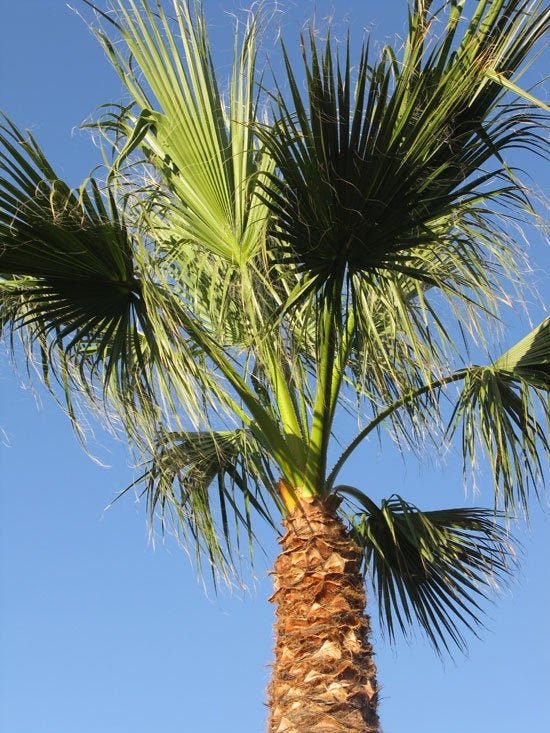
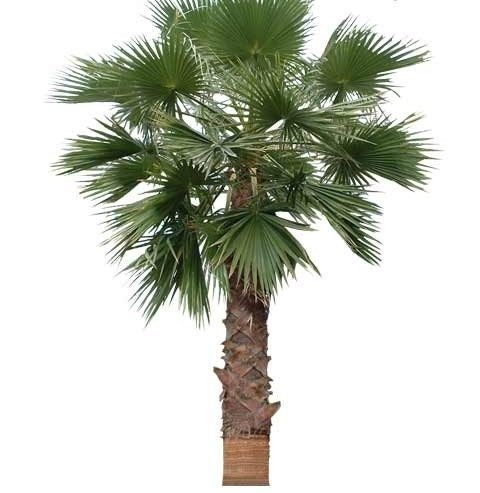
California fan palm seeds
You will receive 20 seeds.
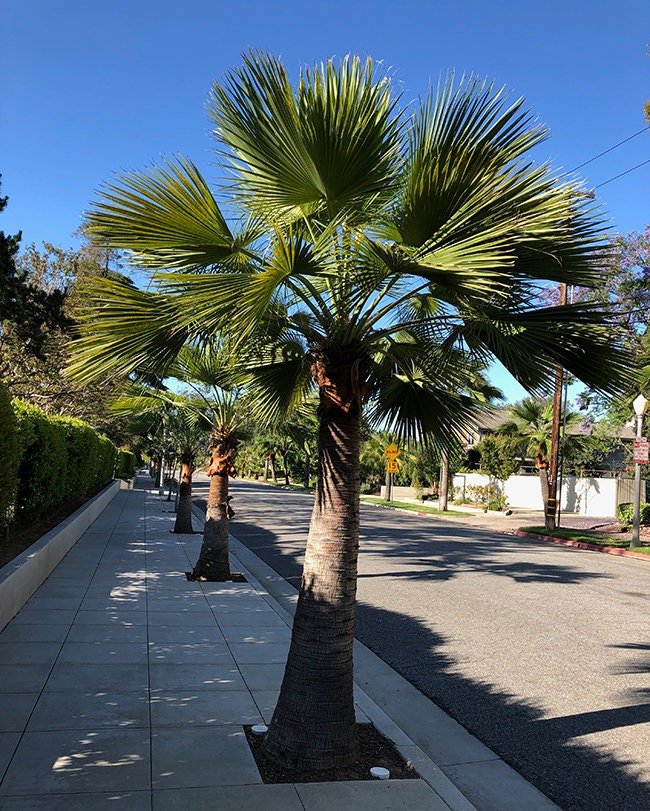
Washingtonia filifera, also known as desert fan palm, California fan palm, or California palm, is a flowering plant in the palm family native to the far southwestern United States and Baja California. Soak in water, let stand in water for 24 hours. Stratification: none required. Germination: sow seed 1/4" deep, tamp the soil, mulch the seed bed. Other: Seed needs warm temperatures after sowing to germinate (75 degrees F +). Germination tends to be slow, Germinates faster in warmer temperatures.
Palm trees are a popular choice for gardens and landscapes due to their tropical appearance and ability to thrive in warm climates. Here are some general instructions for growing palm trees from seeds:
Choose a planting location that receives full sun and has well-draining soil. Palm trees prefer a soil that is rich in organic matter and slightly acidic, with a pH between 6.5 and 7.5.
Prepare the soil by loosening it with a garden fork and mixing in some compost or well-rotted manure. This will help the soil drain well and provide the nutrients the palm tree seeds need to germinate.
Soak the palm tree seeds in water for 24 hours to soften the seed coat and encourage germination.
Fill a planting container with a well-draining seed starting mix and moisten the soil evenly.
Sow the soaked palm tree seeds on the surface of the soil, spacing them about 1 inch apart. Cover the seeds with a thin layer of soil, about 1/4 inch deep.
Place the planting container in a warm location that receives indirect sunlight. The soil temperature should be kept between 75 and 90 degrees Fahrenheit to encourage germination.
Water the palm tree seeds regularly, providing enough moisture to keep the soil consistently moist but not waterlogged.
Once the palm tree seedlings are large enough to handle, transplant them into individual pots or into the garden. Choose a location that receives full sun and has well-draining soil.
Water the palm tree seedlings regularly, providing enough moisture to keep the soil consistently moist but not waterlogged. Fertilize the seedlings once a month during the growing season with a balanced fertilizer, following the manufacturer's instructions for the appropriate amount to use.
I hope these instructions are helpful! Let me know if you have any questions or need further guidance.
$6.25
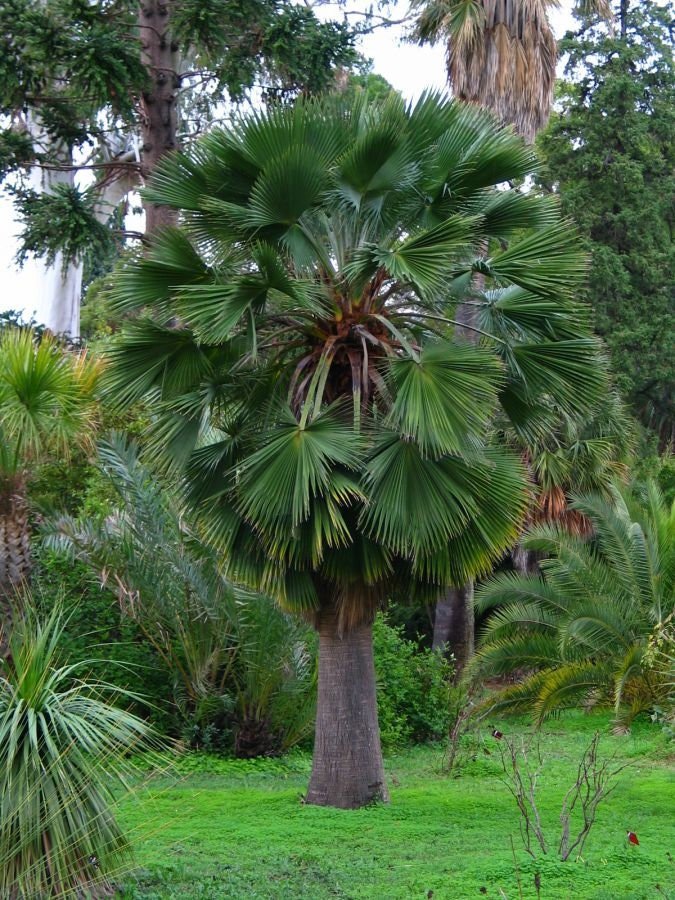
Guadalupe palm tree fresh seeds 5pc
You will receive 5 seeds.
Soak in water, let stand in water for 24 hours. Stratification: none required. Germination: sow seed 1/4" deep, tamp the soil, mulch the seed bed. Other: Seed needs warm temperatures after sowing to germinate (75 degrees F +). Germination tends to be slow, Germinates faster in warmer temperatures. Avoid overwatering.
Palm trees are a popular choice for gardens and landscapes due to their tropical appearance and ability to thrive in warm climates. Here are some general instructions for growing palm trees from seeds:
Choose a planting location that receives full sun and has well-draining soil. Palm trees prefer a soil that is rich in organic matter and slightly acidic, with a pH between 6.5 and 7.5.
Prepare the soil by loosening it with a garden fork and mixing in some compost or well-rotted manure. This will help the soil drain well and provide the nutrients the palm tree seeds need to germinate.
Soak the palm tree seeds in water for 24 hours to soften the seed coat and encourage germination.
Fill a planting container with a well-draining seed starting mix and moisten the soil evenly.
Sow the soaked palm tree seeds on the surface of the soil, spacing them about 1 inch apart. Cover the seeds with a thin layer of soil, about 1/4 inch deep.
Place the planting container in a warm location that receives indirect sunlight. The soil temperature should be kept between 75 and 90 degrees Fahrenheit to encourage germination.
Water the palm tree seeds regularly, providing enough moisture to keep the soil consistently moist but not waterlogged.
Once the palm tree seedlings are large enough to handle, transplant them into individual pots or into the garden. Choose a location that receives full sun and has well-draining soil.
Water the palm tree seedlings regularly, providing enough moisture to keep the soil consistently moist but not waterlogged. Fertilize the seedlings once a month during the growing season with a balanced fertilizer, following the manufacturer's instructions for the appropriate amount to use.
I hope these instructions are helpful! Let me know if you have any questions or need further guidance.
$6.50
Dragon tree 'Dracena draco' fresh seeds 10pc
You will receive 10 seeds.
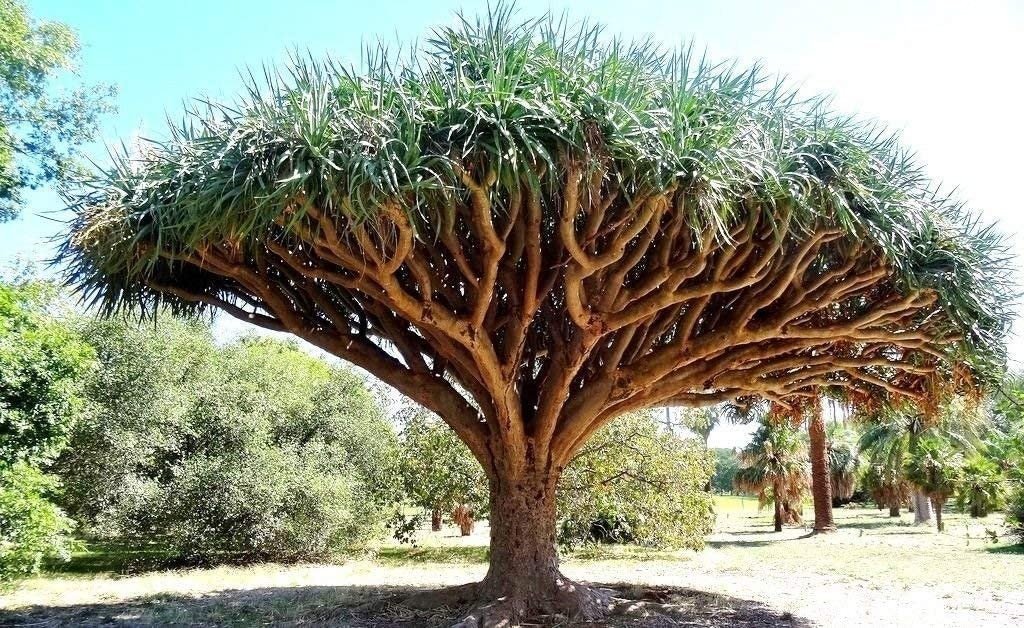
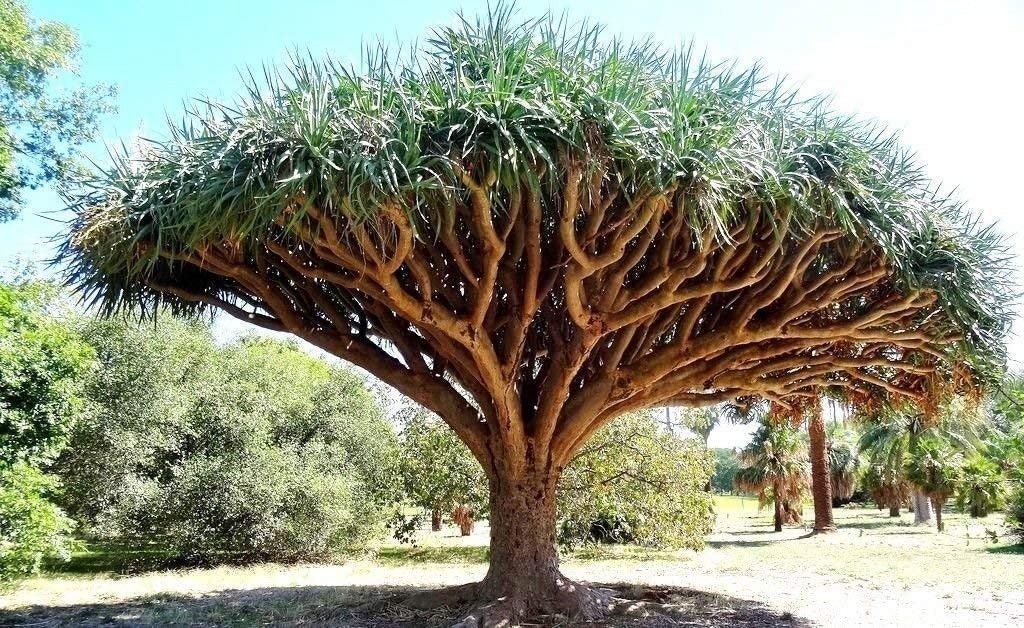
Dracaena draco, the Canary Islands dragon tree or drago, is a subtropical tree in the genus Dracaena, native to the Canary Islands, Cape Verde, Madeira, western Morocco, and is thought to be introduced in the Azores. Moisten the seed starting mix so it's lightly moist but not saturated. Then, sprinkle the dracaena seeds over the surface of the seed starting mix, covering them lightly. Place the pots on a heat germination mat. Dracaena from seed germinates in temperatures between 68 and 80 Place the container in bright, indirect light. Avoid sunny windowsills, as direct light is too intense. Water as needed to keep the seed starting mix lightly moist. Loosen the plastic or poke several holes if you notice water dripping down the inside of the bag. The seeds may rot if conditions are too damp. Remove the plastic covering when the seeds germinate.
Early spring is perfect time to start these.
$8.00
Brahea Armata 'Mexican blue fan' seeds
Do not allow this plant to sit in water; like most plants, it doesn’t like its roots to be constantly wet. This plant is particular because not only can it get root rot, but it can also get trunk rot, so you have to be very careful with overwatering. Leave the palm to dry out until at least the first three inches of soil are dry. Once it’s dried out, deeply water the soil around the trunk.
As long as the soil is well-draining, the palm will happily grow in it. They do prefer a neutral pH level, but will still grow in soil that leans more one way or the other.
Luckily these trees are tolerant and thrive in various types of light, from partial shade to full sun.
$14.99
Chamaedorea elegans 'parlor palm' seeds
You will receive 20 seeds.
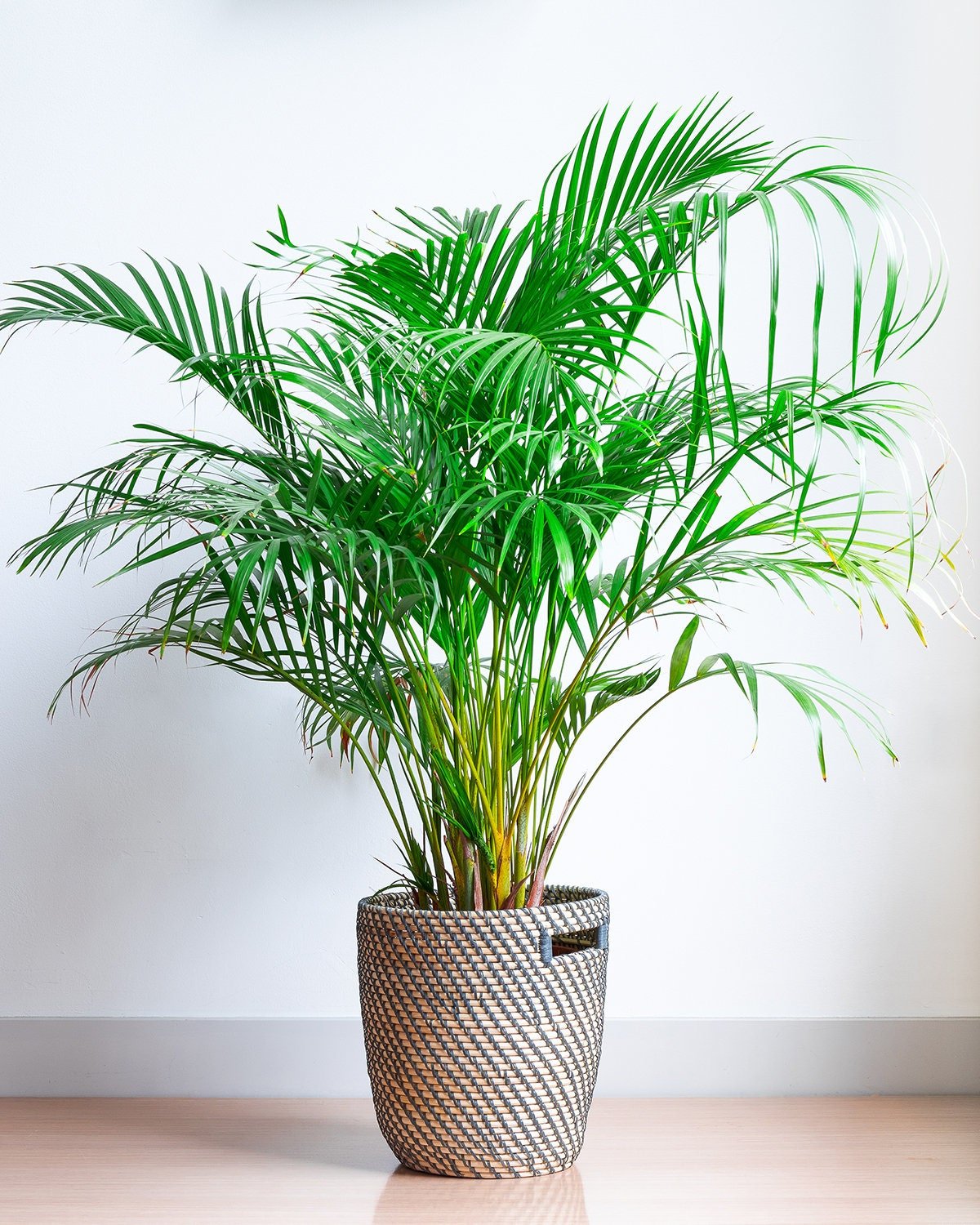
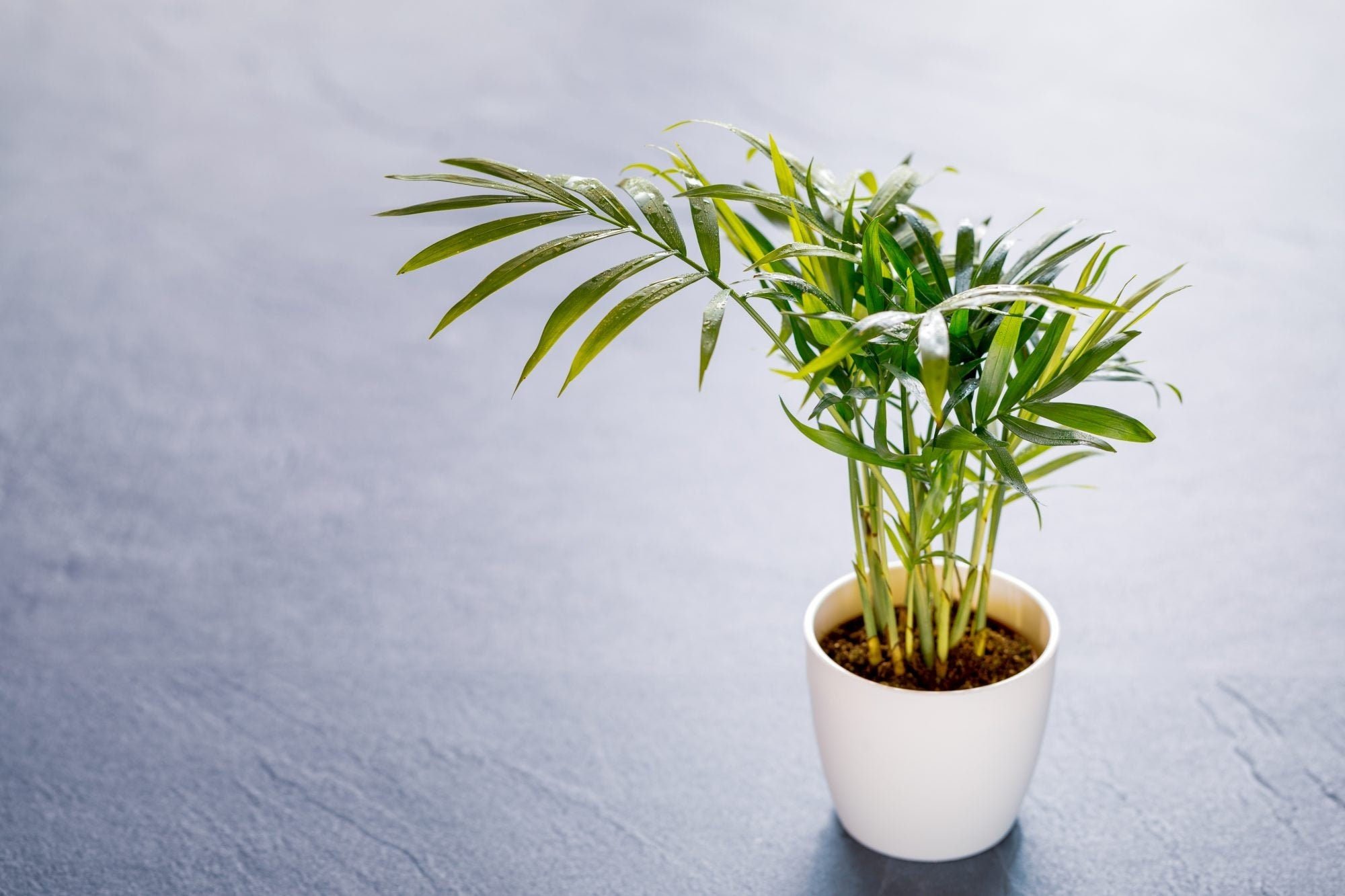
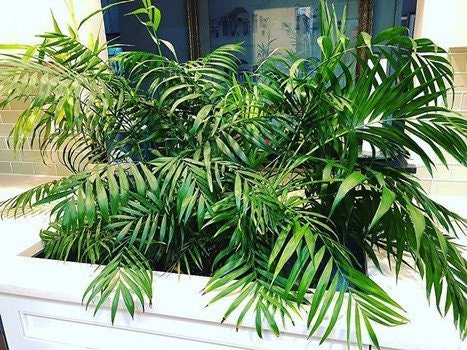
Growing an indoor parlor palm is very easy and gratifying. Parlor palm houseplants prefer low light too much light can kill the plant and or damage the leaf. Under watering is better than over watering when it comes to this palm. Does best when by a window that receives minimal light. These are slow starters but very nice and rewarding house plants. otherwise known as Chamaedorea elegans Palm trees are a popular choice for gardens and landscapes due to their tropical appearance and ability to thrive in warm climates. Here are some general instructions for growing palm trees from seeds:
Choose a planting location that receives full sun and has well-draining soil. Palm trees prefer a soil that is rich in organic matter and slightly acidic, with a pH between 6.5 and 7.5.
Prepare the soil by loosening it with a garden fork and mixing in some compost or well-rotted manure. This will help the soil drain well and provide the nutrients the palm tree seeds need to germinate.
Soak the palm tree seeds in water for 24 hours to soften the seed coat and encourage germination.
Fill a planting container with a well-draining seed starting mix and moisten the soil evenly.
Sow the soaked palm tree seeds on the surface of the soil, spacing them about 1 inch apart. Cover the seeds with a thin layer of soil, about 1/4 inch deep.
Place the planting container in a warm location that receives indirect sunlight. The soil temperature should be kept between 75 and 90 degrees Fahrenheit to encourage germination.
Water the palm tree seeds regularly, providing enough moisture to keep the soil consistently moist but not waterlogged.
Once the palm tree seedlings are large enough to handle, transplant them into individual pots or into the garden. Choose a location that receives full sun and has well-draining soil.
Water the palm tree seedlings regularly, providing enough moisture to keep the soil consistently moist but not waterlogged. Fertilize the seedlings once a month during the growing season with a balanced fertilizer, following the manufacturer's instructions for the appropriate amount to use.
I hope these instructions are helpful! Let me know if you have any questions or need further guidance.
$7.50
Chamaerops humilis 'European fan palm' seeds
You will receive 10 seeds.
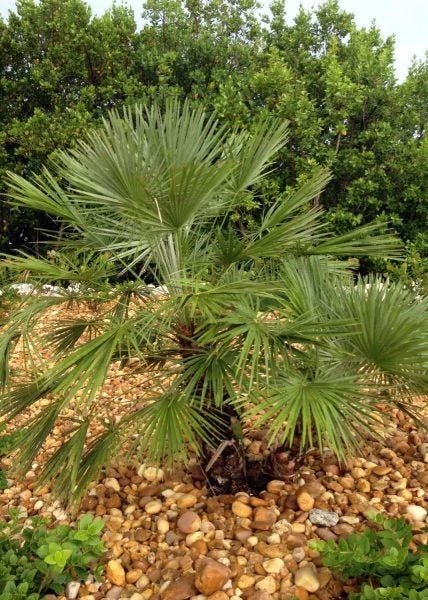
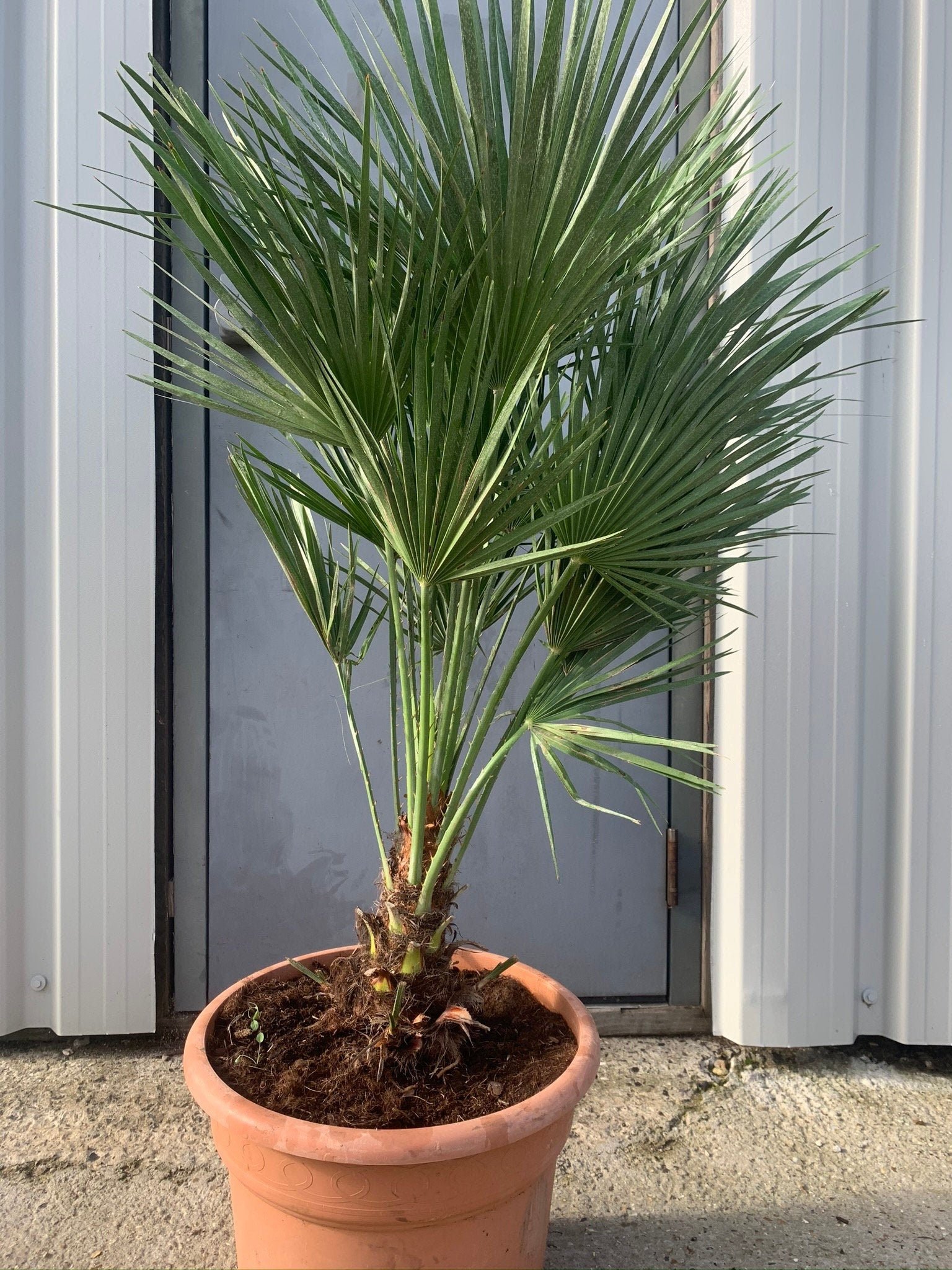
Soak in water, let stand in water for 24 hours. Stratification: none required. Germination: sow seed 1/4" deep, tamp the soil, mulch the seed bed. 1/2 perlite with miracle grow (or high drainage soil) Other: Seed needs warm temperatures after sowing to germinate (75 degrees F +). Germination tends to be slow, Germinates faster in warmer temperatures. Avoid overwatering. Cold hardy plant.
$5.50
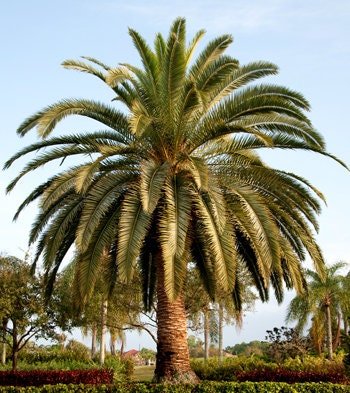
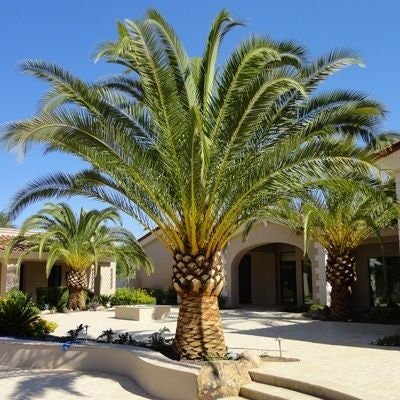
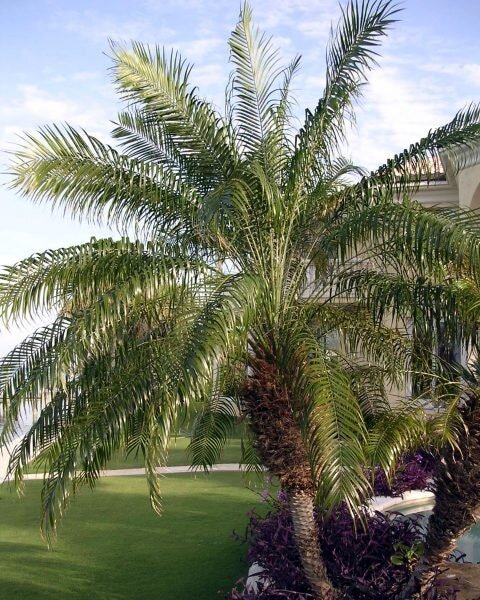
Phoenix canariensis 'Canary island palm' seeds
You will receive 10 seeds.
Phoenix canariensis is a species of flowering plant in the palm family Arecaceae, native to the Canary Islands Bag method is a good way to start these plants. Light: Bright, indirect light to partial shade. Some morning or evening sun would be an advantage. Water: Water when the soil is starting to become slightly dry at the top. Palms don't like sitting in wet soil so do not over-water, however keep moist particularly during the summer.
Palm trees are a popular choice for gardens and landscapes due to their tropical appearance and ability to thrive in warm climates. Here are some general instructions for growing palm trees from seeds:
Choose a planting location that receives full sun and has well-draining soil. Palm trees prefer a soil that is rich in organic matter and slightly acidic, with a pH between 6.5 and 7.5.
Prepare the soil by loosening it with a garden fork and mixing in some compost or well-rotted manure. This will help the soil drain well and provide the nutrients the palm tree seeds need to germinate.
Soak the palm tree seeds in water for 24 hours to soften the seed coat and encourage germination.
Fill a planting container with a well-draining seed starting mix and moisten the soil evenly.
Sow the soaked palm tree seeds on the surface of the soil, spacing them about 1 inch apart. Cover the seeds with a thin layer of soil, about 1/4 inch deep.
Place the planting container in a warm location that receives indirect sunlight. The soil temperature should be kept between 75 and 90 degrees Fahrenheit to encourage germination.
Water the palm tree seeds regularly, providing enough moisture to keep the soil consistently moist but not waterlogged.
Once the palm tree seedlings are large enough to handle, transplant them into individual pots or into the garden. Choose a location that receives full sun and has well-draining soil.
Water the palm tree seedlings regularly, providing enough moisture to keep the soil consistently moist but not waterlogged. Fertilize the seedlings once a month during the growing season with a balanced fertilizer, following the manufacturer's instructions for the appropriate amount to use.
I hope these instructions are helpful! Let me know if you have any questions or need further guidance.
$8.50
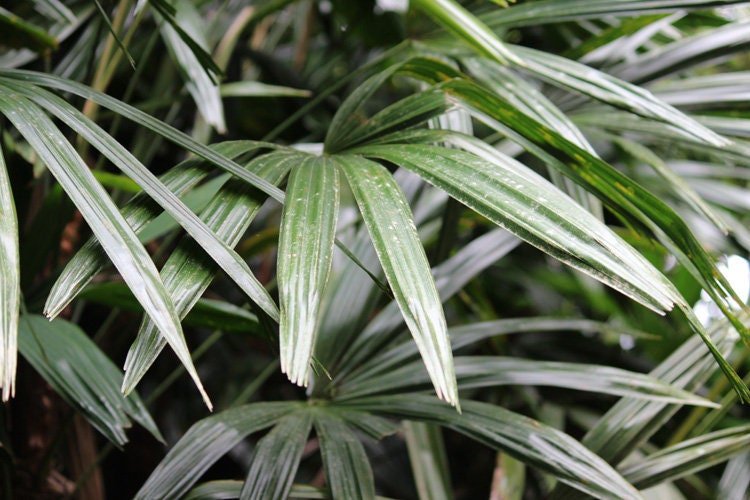
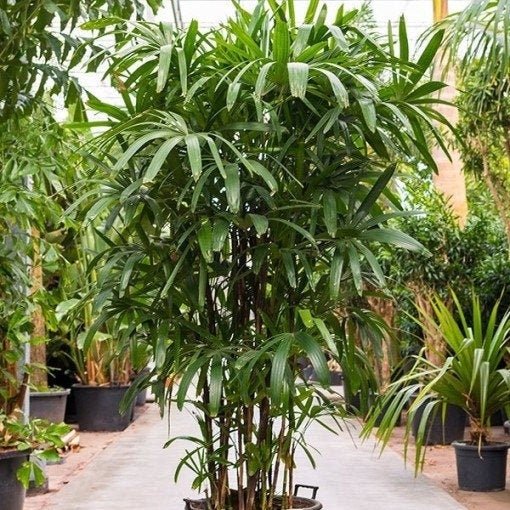
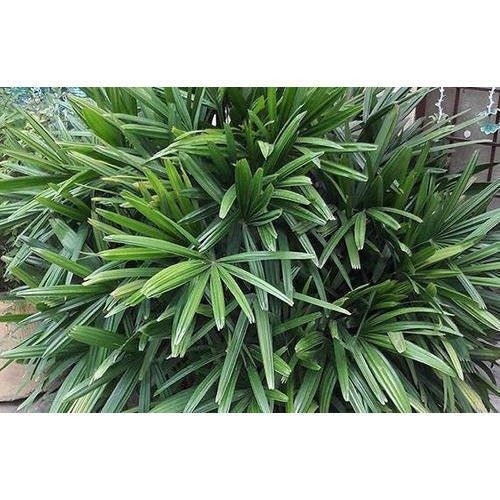
Rhapis excelsa 'lady palm' seeds
You will receive 20 seeds.
These have a chance to be variegated!
Soak in water, let stand in water for 24 hours. Stratification: none required. Germination: sow seed 1/4" deep, tamp the soil, mulch the seed bed. 1/2 perlite with miracle grow (or high drainage soil) Other: Seed needs warm temperatures after sowing to germinate (75 degrees F +). Germination tends to be slow, Germinates faster in warmer temperatures. Avoid overwatering. Humidity of 50% + Temps between 60-80 Somewhat of a slow grower. no direct sunlight
Palm trees are a popular choice for gardens and landscapes due to their tropical appearance and ability to thrive in warm climates. Here are some general instructions for growing palm trees from seeds:
Choose a planting location that receives full sun and has well-draining soil. Palm trees prefer a soil that is rich in organic matter and slightly acidic, with a pH between 6.5 and 7.5.
Prepare the soil by loosening it with a garden fork and mixing in some compost or well-rotted manure. This will help the soil drain well and provide the nutrients the palm tree seeds need to germinate.
Soak the palm tree seeds in water for 24 hours to soften the seed coat and encourage germination.
Fill a planting container with a well-draining seed starting mix and moisten the soil evenly.
Sow the soaked palm tree seeds on the surface of the soil, spacing them about 1 inch apart. Cover the seeds with a thin layer of soil, about 1/4 inch deep.
Place the planting container in a warm location that receives indirect sunlight. The soil temperature should be kept between 75 and 90 degrees Fahrenheit to encourage germination.
Water the palm tree seeds regularly, providing enough moisture to keep the soil consistently moist but not waterlogged.
Once the palm tree seedlings are large enough to handle, transplant them into individual pots or into the garden. Choose a location that receives full sun and has well-draining soil.
Water the palm tree seedlings regularly, providing enough moisture to keep the soil consistently moist but not waterlogged. Fertilize the seedlings once a month during the growing season with a balanced fertilizer, following the manufacturer's instructions for the appropriate amount to use.
I hope these instructions are helpful! Let me know if you have any questions or need further guidance.
$8.95
Joshua tree seeds
You will receive 20 seeds.
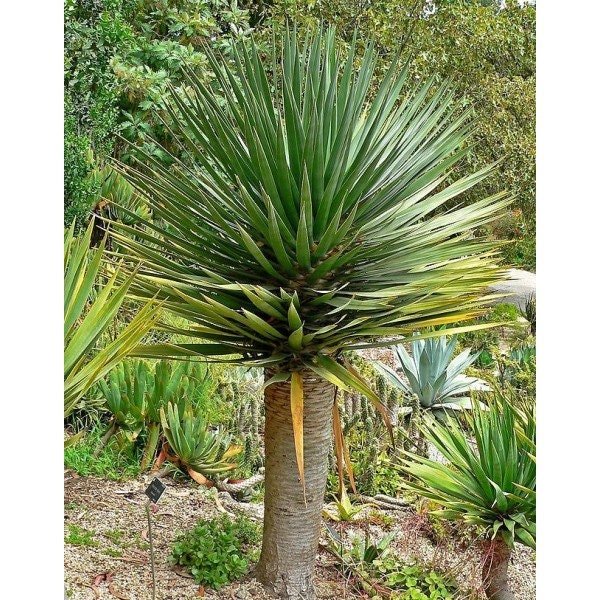
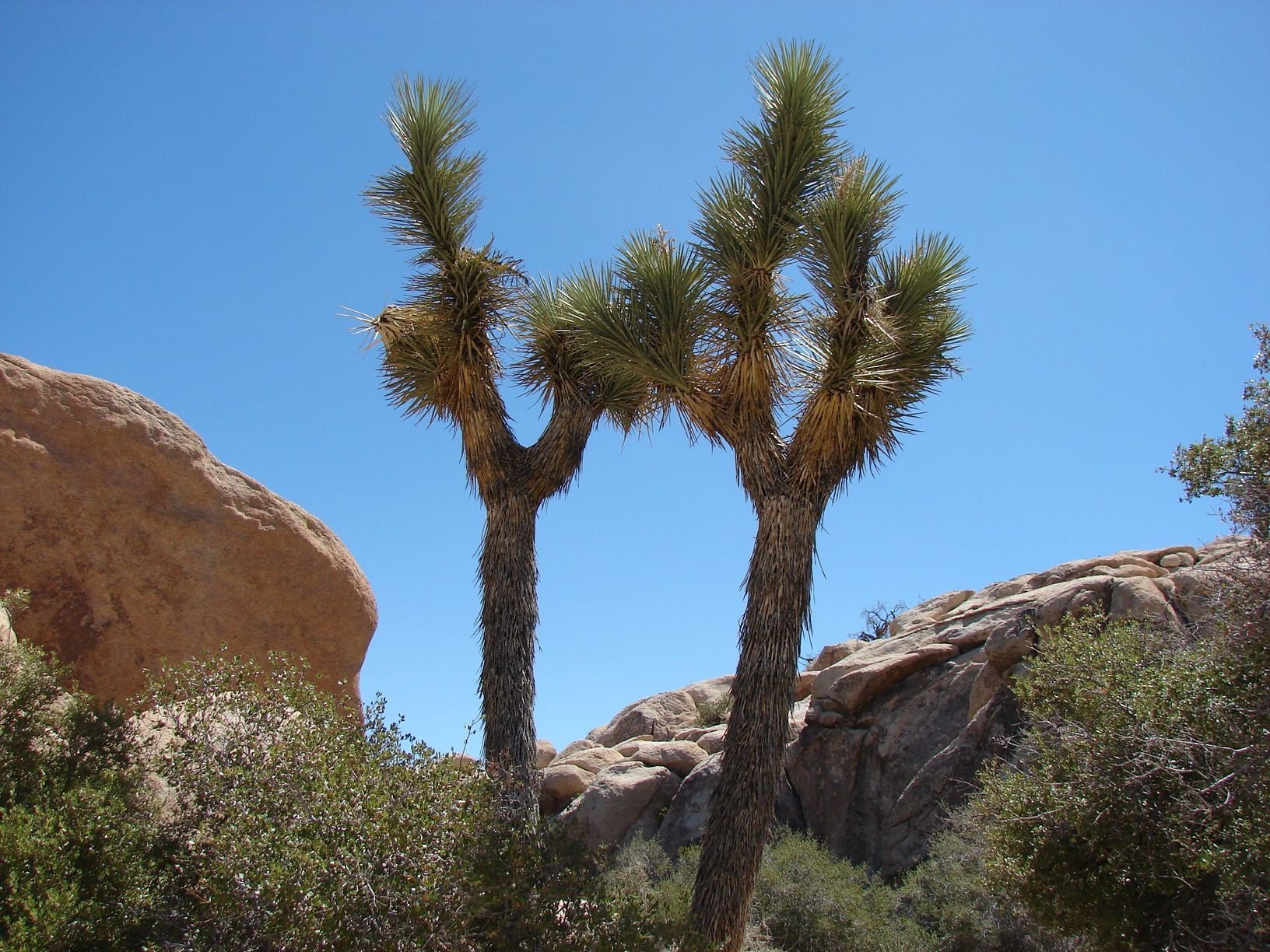
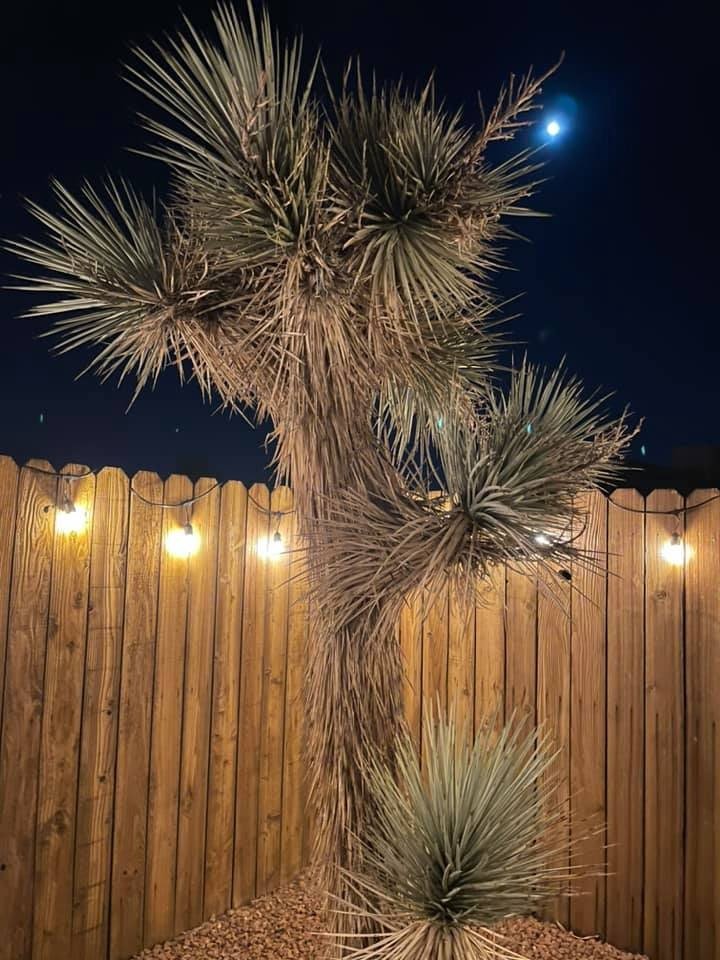
Yucca is a genus of more than 40 perennial plants, shrubs, and trees, but only a few are grown as houseplants under the label "yucca plant." This is your Yucca Brevifolia Sometimes confused with the similar-looking Dracaena genus, yuccas are interesting and slow-growing houseplants that have the added benefit of being extremely drought tolerant. If you kill a yucca, it's probably due to overwatering.
Well drainage soil works best to get this plant started. Palm trees are a popular choice for gardens and landscapes due to their tropical appearance and ability to thrive in warm climates. Here are some general instructions for growing palm trees from seeds:
Choose a planting location that receives full sun and has well-draining soil. Palm trees prefer a soil that is rich in organic matter and slightly acidic, with a pH between 6.5 and 7.5.
Prepare the soil by loosening it with a garden fork and mixing in some compost or well-rotted manure. This will help the soil drain well and provide the nutrients the palm tree seeds need to germinate.
Soak the palm tree seeds in water for 24 hours to soften the seed coat and encourage germination.
Fill a planting container with a well-draining seed starting mix and moisten the soil evenly.
Sow the soaked palm tree seeds on the surface of the soil, spacing them about 1 inch apart. Cover the seeds with a thin layer of soil, about 1/4 inch deep.
Place the planting container in a warm location that receives indirect sunlight. The soil temperature should be kept between 75 and 90 degrees Fahrenheit to encourage germination.
Water the palm tree seeds regularly, providing enough moisture to keep the soil consistently moist but not waterlogged.
Once the palm tree seedlings are large enough to handle, transplant them into individual pots or into the garden. Choose a location that receives full sun and has well-draining soil.
Water the palm tree seedlings regularly, providing enough moisture to keep the soil consistently moist but not waterlogged. Fertilize the seedlings once a month during the growing season with a balanced fertilizer, following the manufacturer's instructions for the appropriate amount to use.
I hope these instructions are helpful! Let me know if you have any questions or need further guidance.
$7.29
Phoenix roebelleni 'pygmy date palm' seeds
You will receive 20 seeds.
Phoenix roebelenii is a species of flowering plant in the palm family Arecaceae, native to the Canary Islands Bag method is a good way to start these plants. Light: Bright, indirect light to partial shade. Some morning or evening sun would be an advantage. Water: Water when the soil is starting to become slightly dry at the top. Palms don't like sitting in wet soil so do not over-water, however keep moist particularly during the summer.
$8.50
Ponytail Palm beaucarnea recurvata seeds
Beaucarnea recurvata commonly known as ponytail palm. 25 seeds per pack
care for more as a succulent.
Ponytail palms aren’t actually palms at all, and are more closely related to lilies